
Why do schools take these actions and why are they investigating parents?
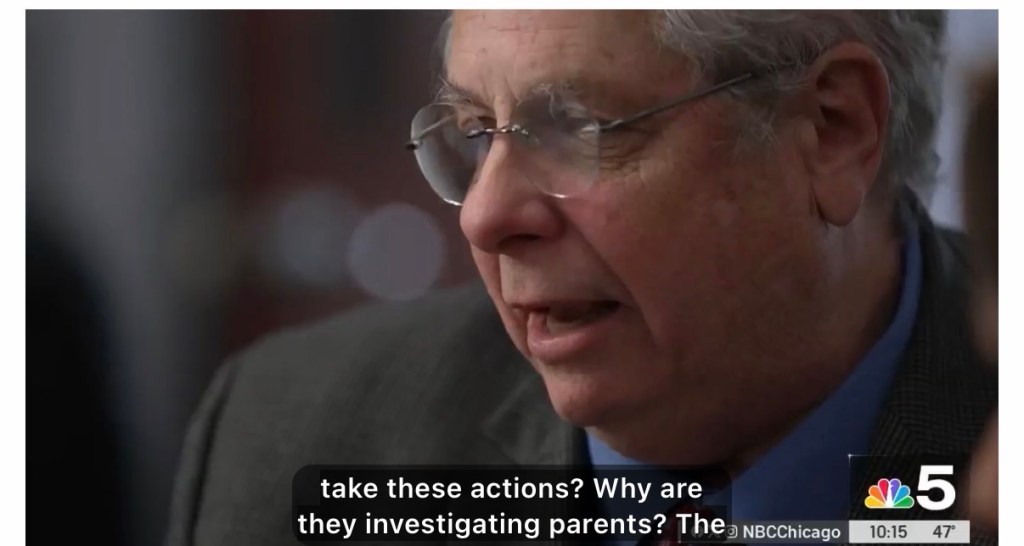
“Ostensibly, the validity they raise is the amount of money that they spend for each student to educate the students,” said Roy McCampbell, a former school administrator and attorney who’s represented families in residency disputes. He says roughly a quarter of districts statewide use LPRs, private investigators, or credit-based checks on families seeking to enroll.
“Where you bank, where you shop for your groceries. I mean, it’s everything that they look at. They look at your patterns of life. And they try and say your patterns of life don’t portray that you’re a resident,” said McCampbell.
In Philips’ case, the district pointed to her bank statements — showing more Chicago transactions than Alsip — and data placing her car in Chicago. McCampbell said districts often challenge parents who work nights – like Philips, or share cars, leaving legal action as the only option.
“All the districts are doing is pushing people around,” said McCampbell.
Some families, like Philips, said they can’t afford to fight back. After her kids were disenrolled, she said District 126 staff arranged to move her children into the Chicago Public School system — despite, she said, the family still living in Alsip.
“I did want them to grow up in a different environment so that they could know how it is to be, you know, at peace, not have to worry about like gun violence. I feel like they really failed my kids,” said Philips.
McCampbell is now representing Sanchez pro bono as she tries to enroll her daughter in District 126 for the upcoming school year.
Investigation firms that sell these verification services say removing ineligible students can save districts upwards of $15,000 dollars per student annually — and claim they routinely find 5 to 10 percent of current students in any given district aren’t actually eligible to be there.
This infographic shows which school districts use license plate reader cameras and/or private investigation firms to verify student enrollment eligibility. The data was collected through public records requests by the NBC Responds team.


