A powerful scene in the Odyssey happens when Odysseus finally returns to Ithaca after twenty years of war and wandering.
You would expect the story to end with celebration, with the hero coming home, the family reunited, and order restored.
Homer does something far stranger.
Odysseus arrives disguised as a beggar, because Athena warns him that the palace has been taken over by more than a hundred suitors who have been living there for years, eating his food, drinking his wine, and pressuring his wife Penelope to marry one of them.
They believe Odysseus is dead and in their minds the kingdom is already theirs.
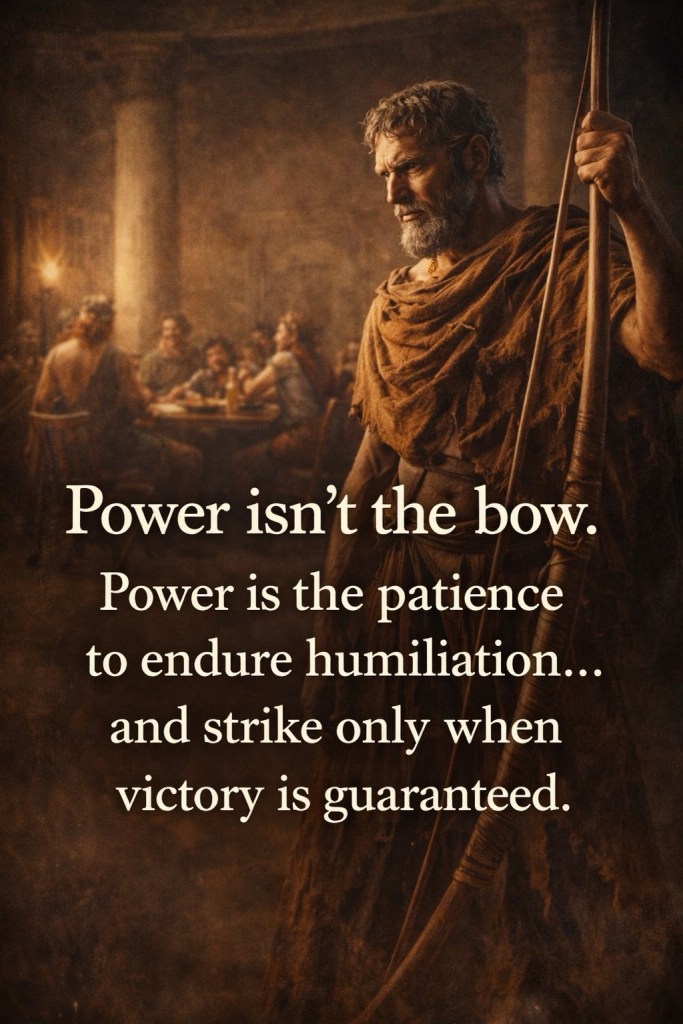
So the king of Ithaca walks through his own halls dressed in rags while the men stealing his house sit comfortably at his tables. They mock him, throw scraps at him, and one of them even strikes him, and Odysseus takes it. That is the remarkable part, because the same man who blinded the Cyclops and survived twenty years of disasters now stands quietly while strangers insult him in his own home. Homer tells us his heart burns inside his chest and that he wants to attack them immediately, yet he restrains himself and waits.
Instead of striking, Odysseus studies the room carefully. He counts the men, watches their habits, and quietly observes which servants remain loyal and which have betrayed him. The hero of the Odyssey does something most people cannot do, which is delay revenge until the moment is right.
Eventually Penelope announces a contest and brings out Odysseus’ great bow, declaring that she will marry the man who can string it and shoot an arrow through twelve axe heads lined up in a row. One by one the suitors try and fail, because none of them can even bend the bow. Then the beggar asks for a turn. The suitors laugh at first, but the bow is eventually handed to him.
Odysseus takes it in his hands and strings it effortlessly. Homer says the sound of the bowstring tightening rings through the hall like the note of a swallow. Then he places an arrow on the string and sends it cleanly through all twelve axe heads.
In that moment the beggar disappears. Odysseus turns the bow toward the suitors and reveals who he is.
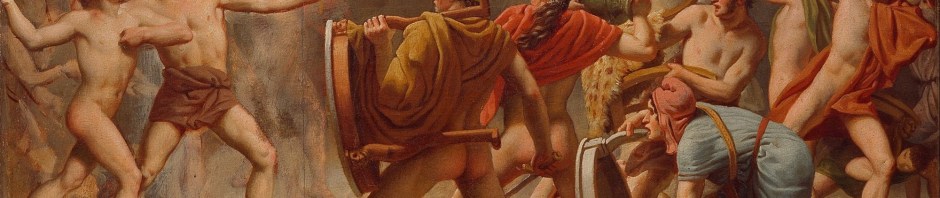
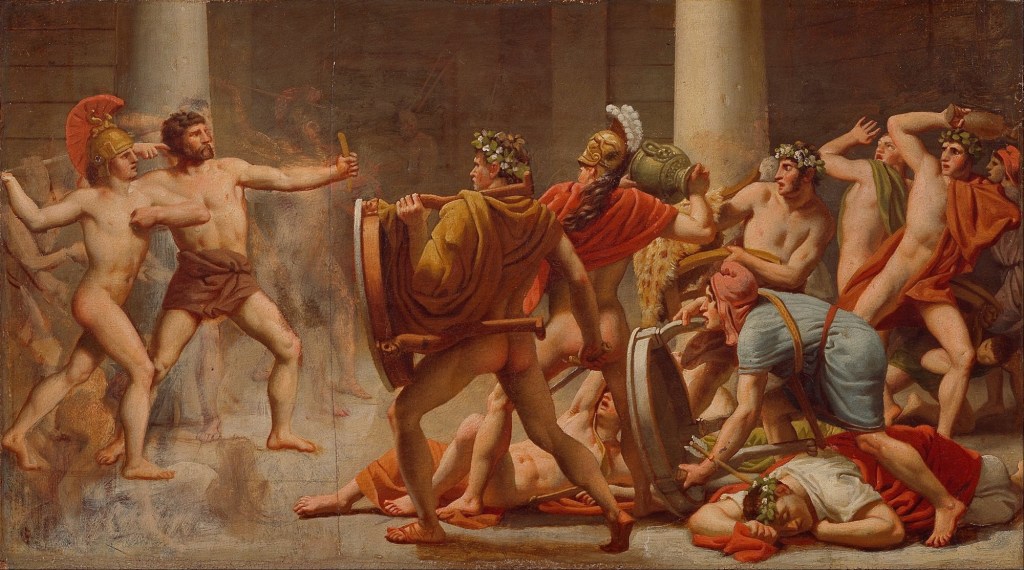
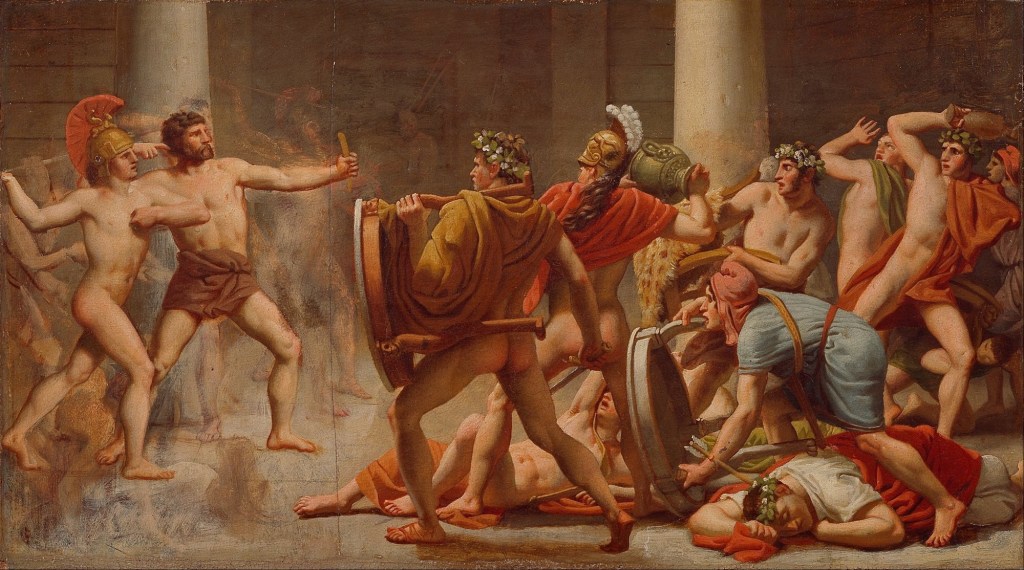
What follows is one of the most brutal scenes in Greek literature. The doors are sealed and the suitors realize too late that they are trapped inside the hall. Odysseus, his son Telemachus, and two loyal servants begin killing them one by one. There is no escape, no mercy, and no negotiation. The men who spent years consuming another man’s house die inside it.
It is a violent ending, but Homer wants you to understand something important. The real danger to Odysseus was never just the monsters and storms on the long journey home. It was the possibility that someone else might take his place while he was gone. When Odysseus finally returns, he reminds everyone in Ithaca of a simple truth: a man’s home is not truly his unless he is willing to fight for it.
Terrifying Moments of the Odyssey:
The most terrifying moment in the Odyssey begins when Odysseus and his men encounter the Cyclops Polyphemus.
At first the situation does not seem especially dangerous.
They land on an island, discover a large cave filled with food and livestock, and begin helping themselves.
Odysseus even says they should stay and wait for the owner of the cave, because he expects the man to follow the Greek custom of hospitality.
In the ancient world a traveler could rely on that custom almost anywhere. The host feeds the guest, gives him shelter, and only afterward asks who he is. Odysseus assumes the Cyclops will do the same.
Instead something very different happens.
When Polyphemus returns, he is not interested in hospitality at all. He blocks the entrance to the cave with a massive stone and begins asking questions.
Odysseus explains that they are travelers and reminds him of the sacred duty to treat guests well. Polyphemus laughs at the idea. He tells Odysseus that the Cyclopes do not care about the gods or their laws. Then he reaches down, grabs two of Odysseus’ men, smashes them against the ground, and eats them.
The horror of the scene is not just the violence but the calm way Homer describes it. Polyphemus eats the men as casually as someone might eat bread and cheese. The message is clear: Odysseus has wandered into a world where the rules of civilization no longer apply.
Now Odysseus faces a serious problem. He cannot simply kill the Cyclops. The stone blocking the entrance is so large that only Polyphemus himself can move it. If the giant dies, everyone in the cave will remain trapped there forever. So Odysseus does what he does best. He starts thinking.
The next evening Polyphemus returns again and devours two more men. This time Odysseus offers him wine that he brought from the ship. The Cyclops has never tasted wine before and drinks it greedily. When Polyphemus asks for Odysseus’ name, Odysseus gives one of the cleverest answers in all of Greek literature. He tells the giant that his name is “Nobody.”
Soon the wine takes effect. Polyphemus collapses into a drunken sleep, and Odysseus and his men put their plan into motion. They sharpen a massive wooden stake, heat it in the fire until it glows, and then drive it straight into the Cyclops’ single eye. Homer describes the sound of the burning wood hissing inside the eye like iron plunged into cold water.
Polyphemus screams so loudly that the other Cyclopes come running to the cave and ask what is wrong. The giant shouts that “Nobody” is attacking him. Hearing this, the other Cyclopes assume he must be sick or mad, and they leave him alone.
In the morning Polyphemus rolls the stone away from the entrance so his sheep can leave the cave. He runs his hands over their backs to make sure the men are not escaping. What he does not realize is that Odysseus has tied each man underneath the sheep, hanging beneath their woolly bellies. The animals walk out of the cave and carry the Greeks with them.
It is a brilliant escape. But Odysseus makes one final mistake.
Once the ship has sailed safely away, he cannot resist shouting back at the Cyclops. He reveals his real name and boasts about what he has done. Polyphemus then prays to his father, the sea god Poseidon, asking him to punish Odysseus for the injury.
That single moment of pride ends up shaping the rest of the Odyssey. Poseidon hears the prayer, and from that point on the sea itself seems determined to keep Odysseus from ever reaching home.
His intelligence saves him and his men from certain death, but his pride creates new dangers that follow him for years. Even the cleverest man can ruin his own victory if he cannot resist the temptation to boast..


 Roy F. McCampbell's Blog