
Sixty-two years and $22 trillion later, the U.S. poverty rate sits at roughly 11 percent, almost identical to where Lyndon Johnson found it in 1964. The government ran the most expensive social experiment in human history and produced nothing measurable. Bureaucracies perpetuate themselves, and this policy worked exactly as designed.
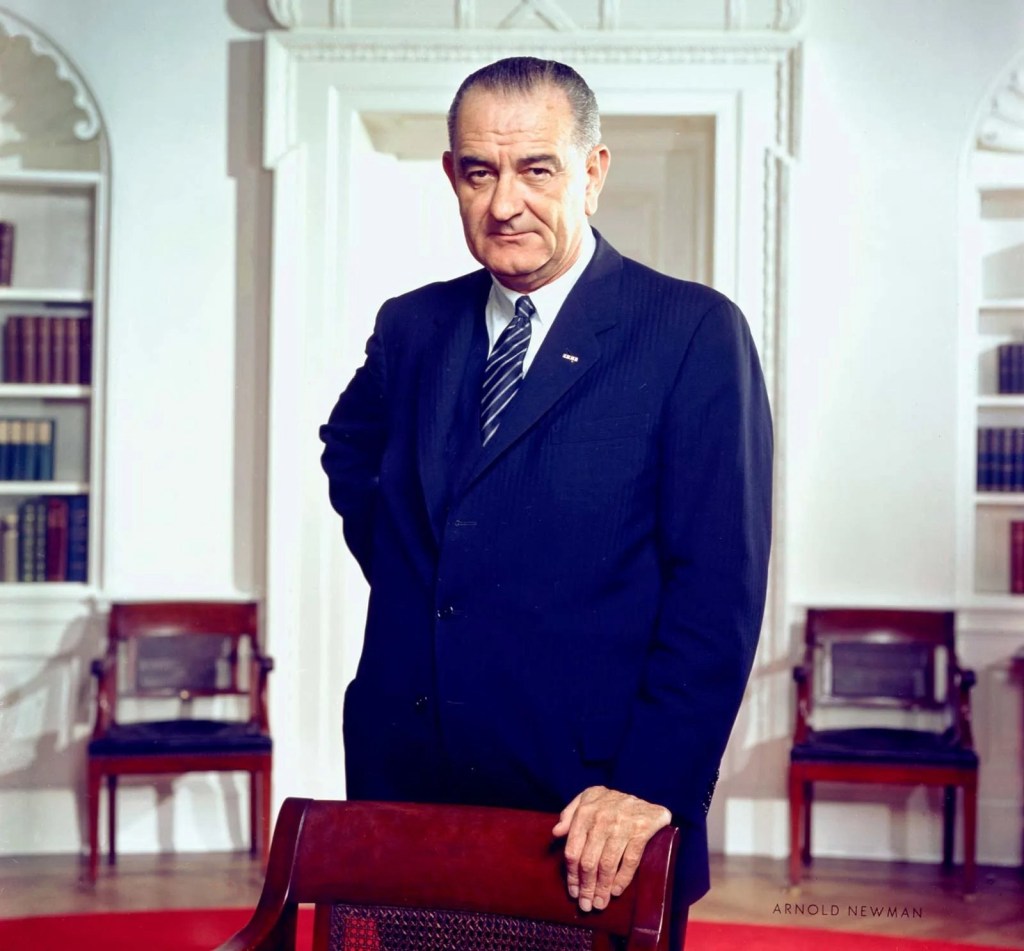
When Washington transfers purchasing power to the poor through SNAP, Medicaid, housing vouchers, and 126 other overlapping programs, it doesn’t eliminate scarcity; it relocates decision-making from individuals to administrators. Those administrators develop career interests in perpetuating dependency, because a solved problem eliminates their department.
Free market thinkers identified this perverse incentive structure before Johnson signed the Economic Opportunity Act. Every dollar taxed from productive activity carries a deadweight cost before it reaches anyone’s dinner table.
Capital formation lifts people out of poverty. You build wealth through savings, property rights, and voluntary exchange, none of which $22 trillion in redistributed spending actually produced.
LBJ asked the highly reputed statesman on his staff, Daniel Patrick Moynihan, to do see some research on “how we can help the black folks.” Moynihan’s research led him to warn LBJ not to expand welfare to the black community because it would drive men out of the households and destroy the black family. Despite this warning, LBJ did just that in his Great Society. The reason? He wanted to steer the black vote from being historically pro-Republican to pro-Democrat. In that, he succeeded, at the price of dooming black families to fatherless homes, poverty, drug use, crime, and the creation of a permanent, unemployable, sociopathic sub-culture.


